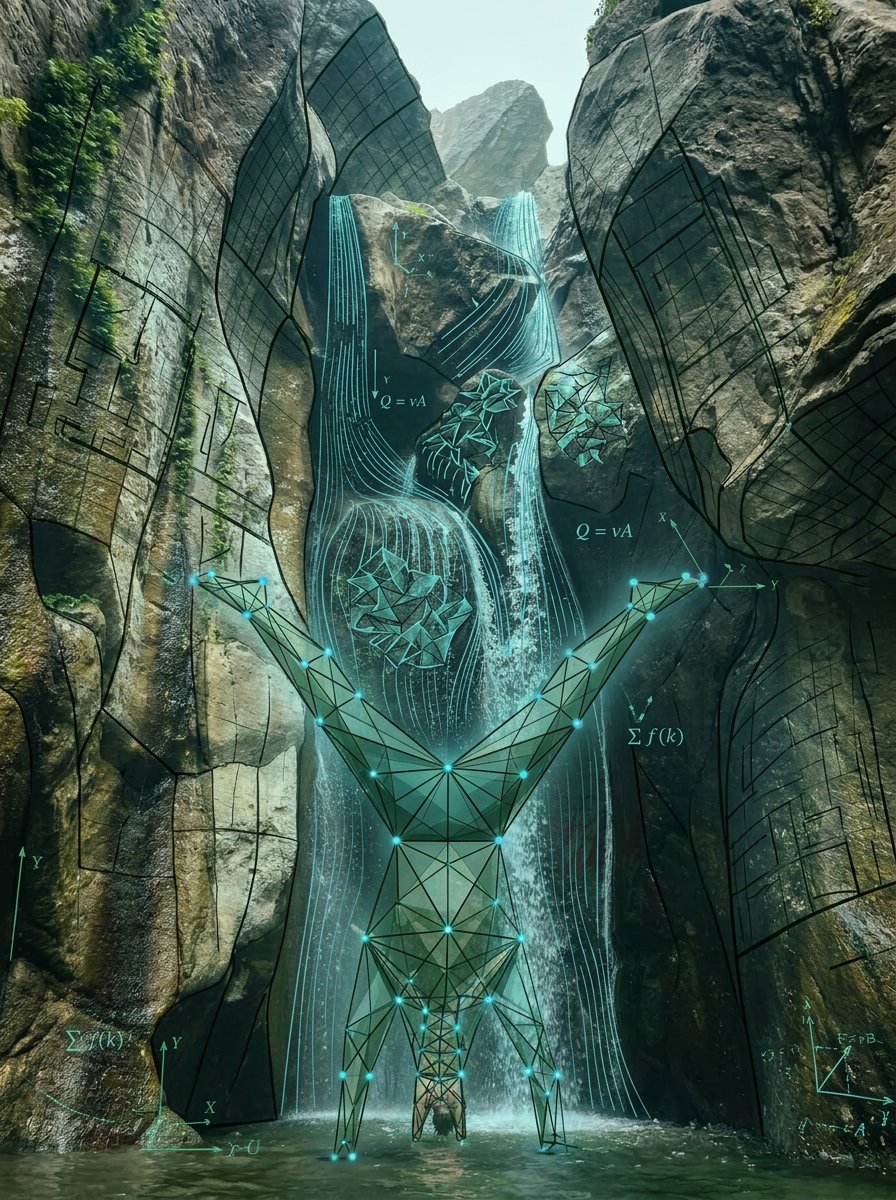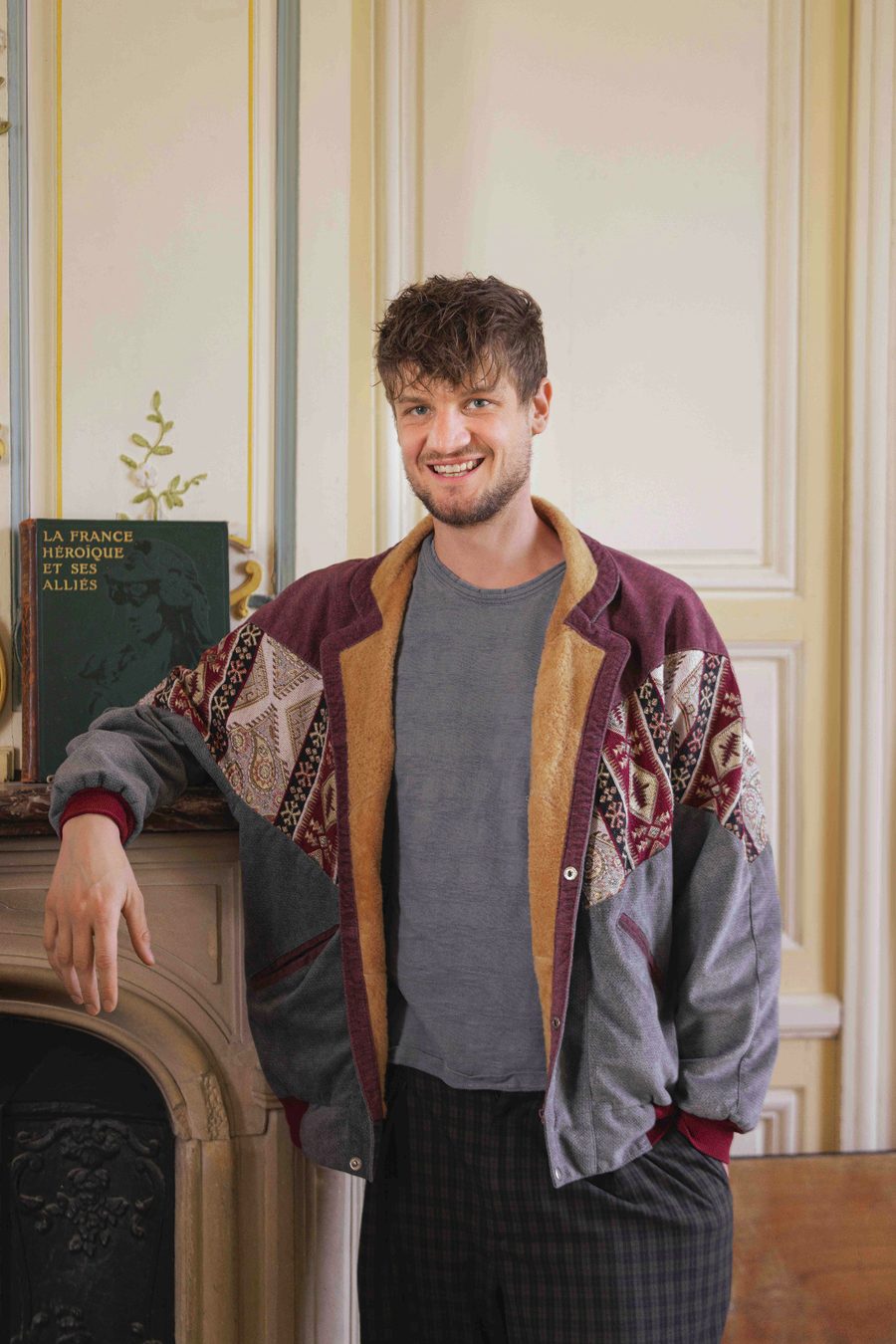
My thought structure is at its best, where traditional approaches have failed.
When I studied Mathematics, I was always drawn to the fundamentals. They had a reputation of being difficult, but I found them to be just more abstract. A thing that fascinated me was: For ages mathematicians were in the business of proving theorems. They did not look at the foundations and just assumed that for any statement can be either shown to be true or shown to be false. Just the proofs may not have been found, yet. Until Gödel's incompleteness theorems shattered those assumptions.
For Economics, the foundations of money had a similar spell. In most of economic theory money is rather assumed to exist and be valuable, but there was little discussion on how money comes into existence. Even though understanding how banks create money is much easier than Gödel's theorems. And yet, the implications are generally not understood. For the bank, the money it creates, is a liability, whereas everyone else is only used to experience money as an asset.
The move from my Masters to my PhD, from formal logic to currency innovation, was a move from purity to the messiness and interconnectedness of the real world. It was also a move towards a certain urgency, where we are as humans on this planet. The other half of my PhD thesis was about Surveillance Capitalism. Or in other words how the developments in the IT-industry are fundamentally incompatible with sustainable life on this planet – let alone democracy. Since then things have changed – but not deescalated. On the collective level, AI has entered the urgent. On my individual journey I had experienced states of consciousness, beyond my previous worldview, through embodiment practices and meditation. These years have shaped who I am today, more than my PhD. And today I want to bring together inner life and tech development.
A recent attractor for me is understanding consciousness — human consciousness and artificial consciousness. This can definitely shatter assumptions of materialism, and redefine our role as humans, transforming more than just our monetary systems.
That is where the thinker in me is today. The thinker sees that there is a problem, yet he can not solve it. He tried. He is somewhat hungry though.
The best problems of our time are not solvable by better thinking – they are if anything only solvable by deeper feeling.
If that resonates, maybe there is something to explore together.